Source Strong Duty Motorcycle Rear Carrier for Transport
Find a strong duty motorcycle rear carrier from 30 verified listings. Compare iron, aluminum, and steel options with varying load capacities and folding features to match your logistics needs; compare the available evidence and request quotations based on your requirements.
Key considerations
Products List
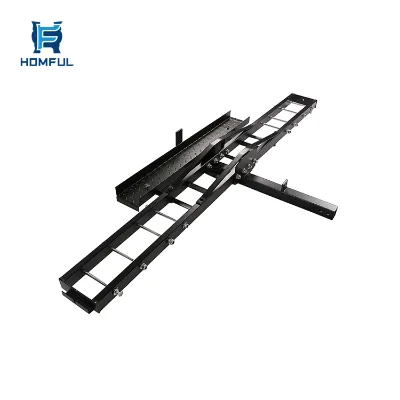


$140.00 - $160.00
Moq: 99




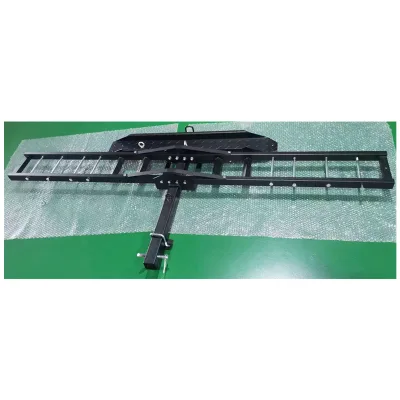
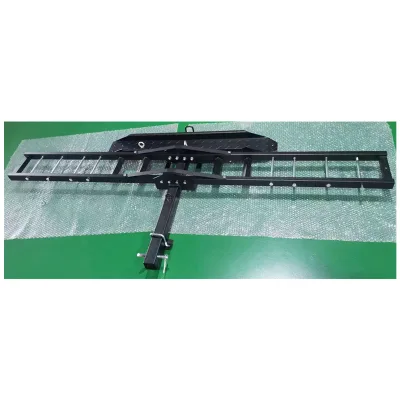
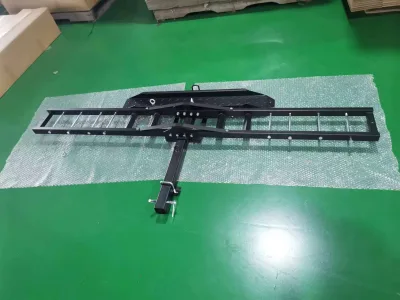
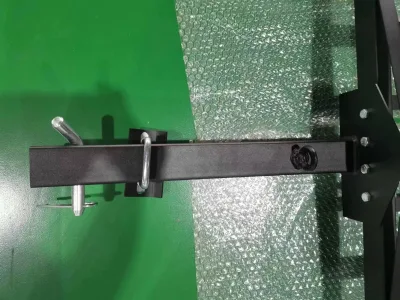

Comprehensive Sourcing Guide
Strong Duty Motorcycle Rear Carrier Sourcing Guide
Procuring a strong duty motorcycle rear carrier requires distinguishing between general luggage solutions and heavy-duty transport units designed for significant loads. The observed market data indicates a wide variance in load-bearing capacity, ranging from standard 25kg limits to specialized units rated for 200kg, necessitating a clear definition of intended use before engaging suppliers. Buyers must verify whether the carrier is intended for light touring or heavy cargo transport, as the structural requirements for these applications differ substantially in terms of material thickness and mounting hardware.
Selection criteria should prioritize the specific material composition and surface treatment to ensure longevity under stress. Available listings feature carriers constructed from iron, aluminum, stainless steel, and aluminum alloy, each offering distinct trade-offs between weight, corrosion resistance, and tensile strength. The presence of powder-coated surfaces on iron models suggests a focus on durability against environmental exposure, while aluminum options provide a lighter alternative for fuel-sensitive applications. Understanding these material distinctions is critical for matching the carrier to the specific operational environment of the motorcycle.
Product Scope and Observed Listing Signals
The product scope for strong duty rear carriers encompasses a diverse range of models, including foldable and fixed designs, with specific applications for carrying bicycles and motorcycles. Observed listings highlight variations in model numbers such as 90E04E, MC-01-400, and M60300110, indicating that manufacturers often produce distinct SKUs for different motorcycle brands or custom configurations. Buyers should note that some units are explicitly designed as motorcycle carriers capable of lifting heights up to 1 meter, while others function strictly as luggage racks with lower profiles, requiring careful alignment with the vehicle's geometry.
Listing signals reveal significant diversity in packaging and shipping dimensions, which directly impacts logistics planning and cost estimation. Package sizes vary from compact units measuring 100x30x25cm to larger configurations reaching 197x21x15.5cm, with some products shipped in small boxes within master cartons. The observed selling units are typically single items, yet bulk packaging details suggest that some suppliers offer carton quantities of ten pieces per master box. This variation necessitates precise verification of shipping dimensions to avoid unexpected freight charges or storage issues upon delivery.
Technical Specifications to Verify
Technical verification must begin with the load-bearing capacity, as this is the primary differentiator for strong duty applications. While some observed products support up to 200kg, others are rated for significantly lower limits such as 25kg, creating a critical safety gap if the wrong specification is selected. Buyers should explicitly request load test data or engineering certifications for the specific model number to confirm that the advertised capacity is achievable under dynamic riding conditions rather than static laboratory tests.
Material integrity and dimensional stability are equally critical factors that require detailed scrutiny during the specification phase. The observed market includes carriers made from iron, steel, aluminum, and stainless steel, each with unique mechanical properties affecting weight and strength. Additionally, the folding mechanism, where present, must be evaluated for structural rigidity to ensure it does not compromise the load-bearing capability. Buyers should verify the exact product weight, which ranges from 18kg to 20kg in some listings, to ensure the carrier does not negatively impact the motorcycle's handling or suspension performance.
Compliance and Safety Documentation
Compliance documentation is essential for ensuring that the rear carrier meets international safety standards and regulatory requirements for the target market. Observed certifications include BV, BSCI Factory, CE, ISO, and CCC, which indicate varying levels of quality management and product safety adherence. Buyers must confirm that the specific certification applies to the exact model being purchased, as factory certifications do not automatically guarantee that every individual product unit has undergone the necessary safety testing for load-bearing components.
Safety verification should extend beyond basic certifications to include specific testing protocols for the mounting system and structural joints. The presence of CE and ISO marks suggests adherence to general safety and quality management systems, but buyers should request detailed test reports regarding the fatigue life of the carrier under repeated loading cycles. It is crucial to ensure that the mounting hardware and attachment points are designed to withstand the vibrations and stresses of motorcycle travel without loosening or failing, which could lead to catastrophic cargo loss or vehicle damage.
Cost Drivers and Commercial Terms
Cost drivers for strong duty motorcycle rear carriers are heavily influenced by material selection, manufacturing complexity, and surface finishing processes. Units constructed from aluminum alloy or stainless steel typically command higher prices due to material costs and the precision required for fabrication, whereas iron-based models with powder-coated surfaces may offer a more economical alternative. The observed price range of 0.78 to 280 USD reflects this disparity, with the lower end likely representing basic luggage racks and the higher end corresponding to heavy-duty, specialized carriers with advanced engineering.
Commercial terms and payment structures vary significantly among suppliers, requiring careful negotiation to align with procurement budgets and risk tolerance. Observed payment terms include T/T, PayPal, and Western Union, offering flexibility but also introducing different levels of financial security for the buyer. Lead times are a critical cost factor, with some suppliers indicating delivery times of 35 work days, which can impact inventory planning and project timelines. Buyers should clarify whether the quoted price includes packaging details and shipping costs to avoid hidden expenses that could erode the initial cost advantage.
Supplier Qualification and Quality Control
Supplier qualification should focus on verifying the manufacturing location and the consistency of their production capabilities. The observed data points to origins in Zhejiang, Taizhou, Hebei, and general China regions, indicating a concentration of manufacturing hubs in eastern and northern China. Buyers should assess the supplier's ability to maintain consistent quality across batches, particularly given the variation in model numbers and specifications observed in the market. A supplier with a BSCI Factory certification may offer better assurance regarding labor standards and operational consistency, but this should be validated against the specific product line.
Quality control protocols must be established to ensure that the delivered carriers meet the specified load-bearing and material requirements. Buyers should request pre-shipment inspection reports that verify the material composition, such as confirming the use of aluminum alloy versus standard aluminum, and check for defects in the powder-coated surface finish. The availability of samples is a valuable tool for initial quality assessment, allowing buyers to physically inspect the build quality, folding mechanisms, and mounting hardware before committing to a larger order.
Long-Term Procurement Checks
Long-term procurement success depends on establishing a robust framework for ongoing quality assurance and supplier performance monitoring. Buyers should implement periodic audits to ensure that the supplier continues to meet the agreed-upon specifications and certification standards over time. Given the potential for material substitution or process changes, regular verification of the product weight, dimensions, and load capacity is necessary to maintain the integrity of the supply chain and prevent performance degradation.
Market feedback and post-sales support are critical indicators of a supplier's reliability and commitment to customer satisfaction. Buyers should track the performance of the carriers in real-world conditions, noting any issues related to corrosion, structural fatigue, or mounting failures. Establishing a clear communication channel for addressing defects or warranty claims will help mitigate risks associated with long-term usage. Additionally, monitoring the supplier's ability to meet delivery times and adapt to changing market demands will ensure a stable and efficient procurement process for future orders.
FAQs
What materials are used for strong duty motorcycle rear carriers?
Manufacturers typically use iron, aluminum, stainless steel, or aluminum alloy to construct these carriers. Iron and steel options often feature powder-coated surfaces for durability, while aluminum variants provide lightweight strength. The choice depends on whether the buyer prioritizes maximum load capacity or reduced weight for the motorcycle.
Can a strong duty motorcycle rear carrier be folded?
Yes, some models are designed to be foldable for compact storage when not in use. However, other heavy-duty variants are fixed and not foldable to ensure maximum stability. Buyers should check the specific product attributes to determine if the carrier supports folding mechanisms or requires a permanent rigid installation.
What is the typical load bearing capacity of these carriers?
Load capacities vary significantly based on the material and design. Some units support up to 200kg, while others are rated for 25kg. Buyers must verify the specific load bearing rating for the chosen model to ensure it safely accommodates the intended weight of luggage or accessories without compromising safety.
Which certifications are available for motorcycle luggage racks?
Common certifications include BV, BSCI, CE, ISO, and CCC, depending on the manufacturer and target market. These certifications verify quality standards and factory compliance. Buyers should request specific certification documents to ensure the product meets regulatory requirements for their destination country before placing bulk orders.
How long is the delivery time for these carriers?
Standard delivery times can range around 35 work days, though this varies by supplier. Factors such as order quantity, customization requirements, and production scheduling influence the final lead time. Buyers should confirm the exact delivery schedule with the supplier to align with their inventory planning and market launch dates.
What are the packaging details for bulk orders?
Products are typically packed in small boxes or color boxes, then placed into larger cartons. For example, some cartons hold ten pieces with dimensions around 62x36x55 cm. Buyers should verify the packing details to calculate shipping volume and ensure the packaging protects the carriers during transit to the destination port.